Safety Risks to Know Before New Construction Drywall in Medford
The main safety risks in new construction drywall work are dust from cutting and sanding, strains from lifting heavy board, falls from ladders, sharp blades, and older paint disturbed during remodel-adjacent work.
Published
Part of our New Construction Drywall service.
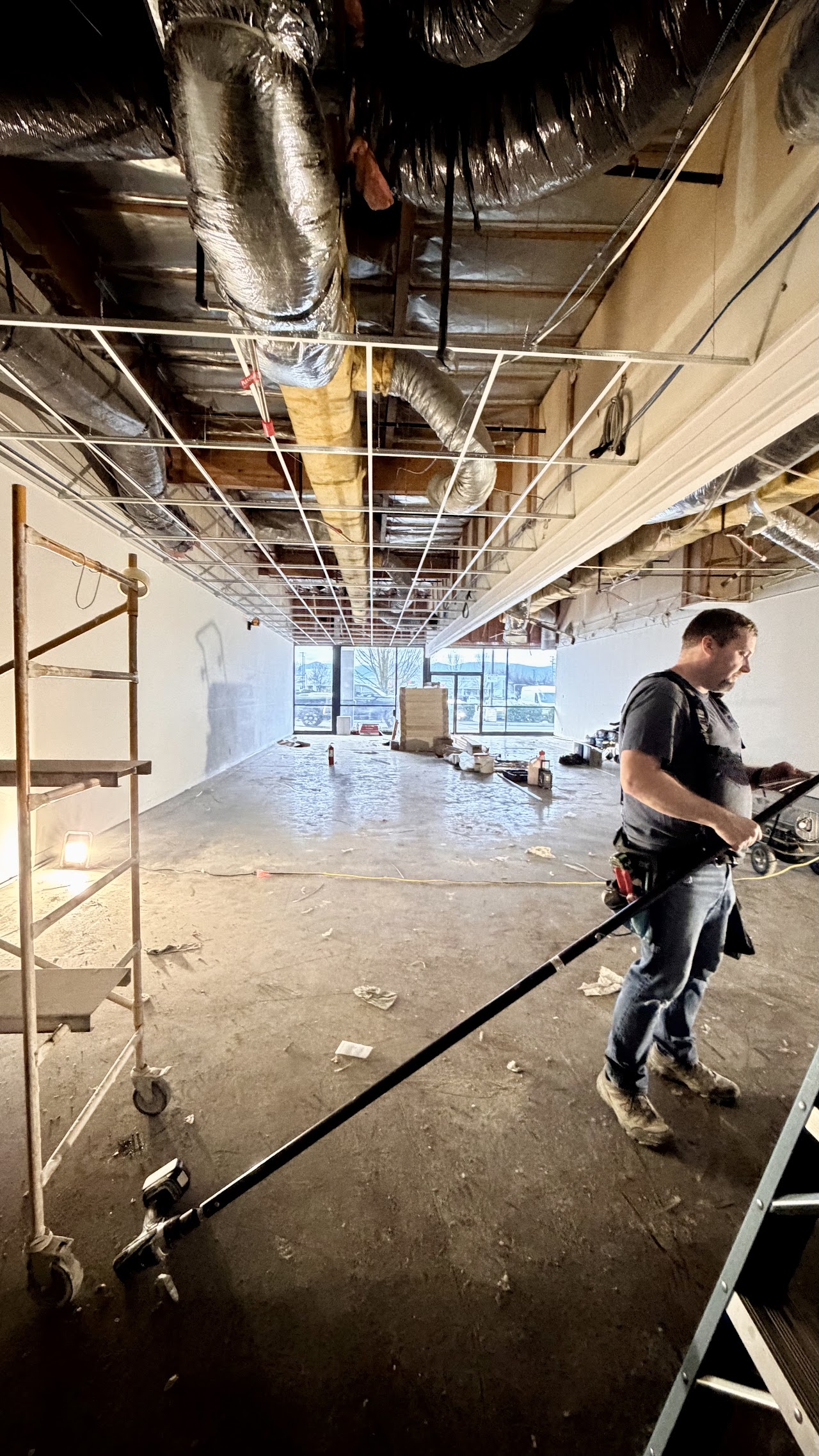
What are the main safety risks of new construction drywall work?
Drywall looks harmless, but a hanging crew works with heavy sheets, dusty cuts, elevated platforms and sharp utility knives every day. The common risks fall into four groups: lifting and carrying injuries, dust exposure, falls, and cuts from blades and sheet edges. Custom Drywall Inc. in Medford wrote this guide on safety risks to know before new construction drywall in Medford.
On a typical Medford job site, board gets stacked, cut to size, lifted overhead and screwed off. Sheets of 1/2-inch lightweight board are easier to handle than standard rock, but even a light sheet is awkward for one person on a ladder. Planning the board delivery, staging sheets close to the rooms where they go, and using two-person lifts for ceilings all cut the risk before the first screw is set.
If you are a homeowner overseeing a build, ask your contractor how the crew stages material and who handles the ceiling sheets. The answer tells you a lot about how the whole job will run.
Why drywall dust deserves respect
Cutting and sanding drywall produces fine gypsum dust and particles from joint compound. A small amount is a nuisance. A whole house of it, in your eyes and lungs, is not. Crews who sand joints day after day without protection are the ones who pay for it.
Good dust control starts before the first sheet goes up. Close off finished areas with plastic, cover returns and vents, and use sanding setups that capture dust at the pad instead of pushing it into the air. When we skim coat or finish a Level 5 surface, the sanding stage generates the most dust, so that is where containment matters most.
For homeowners on a new build in Medford, the practical step is simple: keep family, pets and any finished belongings out of the work zone, and ask how the crew contains and cleans up. A crew that has an answer, and dust containment barriers on hand, is a crew you can work with.
Lifting, overhead work and falls
Falls are the most serious hazard on a drywall job. Ceilings get hung from ladders, from benches, or from lifts, and a crew member reaching overhead with a heavy sheet is not watching the ladder feet. Standing on the top rung, overreaching sideways, or using a wobbly bench are the mistakes that send people to the ER.
The fix is mostly discipline. Footing under every ladder, right-height ladders for the room, and a second person to help raise the sheet overhead. For big open great rooms, common in newer Medford subdivisions, a drywall lift or scaffold beats a ladder every time.
Back and shoulder strains are quieter injuries. Carrying sheets through tight framing, or twisting while pushing a sheet into a ceiling, adds up. Crews who stage board smart and split loads finish the day upright. If you watch a crew work, this is one of the clearest signs of experience: nobody improvises, and nobody carries a ceiling sheet alone.
Older paint and compound: the lead and asbestos questions
New construction drywall usually means new framing and new board, so the lead and asbestos questions rarely come up on the hang itself. They matter when the work touches an existing structure, like finishing an addition, or opening walls in an older Medford home built decades ago.
The rules are clear. Federal rules ban respirable free-form asbestos in consumer spackling and tape joint compounds, so modern mud is not the concern. The concern is disturbing old paint: under the EPA's lead-safe rule, renovation work includes removing building components and sanding or scraping painted surfaces. Anyone paid to disturb paint in housing built before 1978 must be certified in lead-safe work practices.
So before a project that ties into older construction, know the year of the home and whether painted surfaces will be cut, sanded or scraped. If the answer puts you in pre-1978 territory, that portion of the work needs a certified approach, and the crew needs to know before the saw comes out.
Cuts, corner bead edges and site housekeeping
Drywall sheets have razor edges, and every hanging crew runs utility knives all day. Most cuts are minor, but a knife slipping while scoring a ceiling sheet, or a knee dropping onto a blade left in the mud, ends the workday badly. Blades get snapped off and disposed of in a rigid container, never tossed loose in a mud pan or left on the floor.
Corner bead creates its own hazard until it is covered. A fresh metal bead edge, sticking off an unclosed corner at shin height, cuts like paper. Crews who bead a room and finish it promptly avoid the problem.
Housekeeping ties it all together. Scrap board, offcuts and empty joint compound buckets in walkways cause trips, especially on a Medford job site where other trades are moving through. Sweeping as you go, breaking down scrap flat, and keeping the path to the dumpster clear is basic site safety, and it is also the difference between a site that is ready for the next trade and one that is a maze.
How to choose a drywall contractor who takes safety seriously
You do not need to audit a crew, but a few questions sort them fast. How do you stage and carry the board? How do you contain dust when sanding? Who hangs the ceilings? A contractor with real answers describes a process, not a shrug.
Look for the visible signs too. Plastic barriers where finished space meets the work zone. A clean, swept site at the end of each day. Sheets staged in the rooms where they get hung instead of dumped in one pile. Crews who use lifts or two-person carries on ceilings rather than one person balancing on a ladder. These details show up in the finished product as well: a crew that controls dust and handles board carefully is usually the same crew that leaves tight, flat joints.
Custom Drywall Inc. handles new construction drywall across Medford and the Rogue Valley, from hanging and taping through texture-ready finishes. If you are planning a build and want a crew that treats the site and the schedule with care, call (541) 601-9598 or reach us through our new construction drywall page to talk through your project.
Sources
- [1] epa.gov
Ready to move forward? See our New Construction Drywall service
Written by the Custom Drywall Inc. team.
Safety Risks to Know Before New Construction Drywall in Medford FAQs
Is drywall dust dangerous to breathe during a new build?
Drywall dust is mostly gypsum and joint compound particles. It is not classified as toxic, but breathing a lot of it irritates the lungs and eyes, especially during heavy sanding. Crews wear eye protection and respirators, and good containment with plastic barriers and dust-capturing sanders keeps the rest of the house clean while the work goes on.
Do I need to worry about asbestos or lead in new construction drywall?
Modern board, mud and tape contain no asbestos, so a true new build has nothing to worry about. Lead comes into play only when the project disturbs painted surfaces in a home built before 1978, such as tying a new addition into an older structure. That portion of the work requires lead-safe certified practices under EPA rules.
What can I do as a homeowner to keep the site safe?
Keep family, pets and finished belongings out of the work zone, and make sure walkways between the board staging area and the rooms stay clear. Ask your contractor how sheets get staged, who handles ceilings, and how dust is contained during sanding. A crew with specific answers to those questions is already running a safer site.
Still have questions? Contact us